



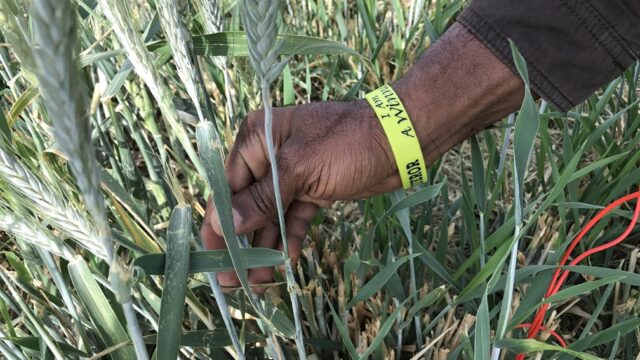
PhotoCredit: The New Mexico Department of Agriculture is accepting grant applications for its Healthy Soil Program from Friday, Jan. 16, through Friday, March 20 at noon, Mountain Time. Pictured here is a multi-species cover crop planted with funding from NMDA’s Healthy Soil Program which helps reduce erosion, suppress weeds and improve soil health. Learn more about NMDA’s Healthy Soil Program grants and register for an upcoming webinar: https://nmdeptag.nmsu.edu/healthy-soil-program.html.
DEMING – Farmers, ranchers, acequia groups, and land managers across Luna County now have a new opportunity to receive state funding to improve their soil and land through the New Mexico Department of Agriculture’s Healthy Soil Program.
NMDA announced that online grant applications will be accepted from Friday, January 16, through noon on Friday, March 20. The program provides funding for on-the-ground projects that improve soil health, water retention, and long-term productivity on agricultural and managed lands.
Eligible applicants include individual farmers and ranchers, agricultural businesses, nonprofits, acequia associations, soil and water conservation districts, tribal governments, and other local entities involved in land management. These grants are designed to support practical conservation and farming techniques such as cover cropping, compost use, managed grazing, and other methods that help soil hold moisture, resist erosion, and remain productive in dry conditions.
For Luna County producers, these practices can be especially important as local farms and ranches face drought, wind erosion, and rising production costs. Healthy soil not only improves crop yields and grazing land but also helps land better withstand extreme weather and limited water supplies.
NMDA will hold two online webinars on January 27 — one for individual applicants and one for organizations — to walk participants through the application process step-by-step. Registration is required through the Healthy Soil Program website.
Projects funded in this cycle can begin as early as July 15, 2026, and may continue through September 30, 2027, giving local producers time to implement meaningful improvements.
Applications must be submitted online by noon on March 20. Late, incomplete, or paper applications will not be accepted.